Sumo experiences in Tokyo: morning practice, shows and how to book
Why morning practice is hard to get
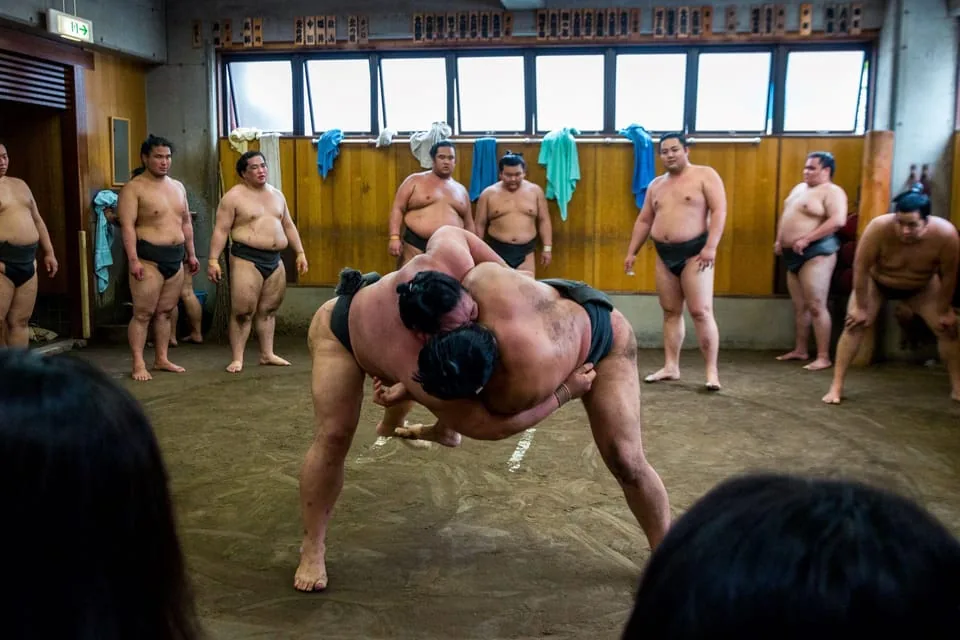
A practice viewing puts you inside a real stable (heya) while wrestlers train at dawn — powerful, quiet, and capped at a handful of guests because it’s someone’s actual workplace. That scarcity is the whole reason to book ahead: the well-run Ryogoku-area viewings sell out three to six weeks out, sooner in spring and autumn.
Timing matters. During the three Tokyo Grand Sumo tournaments — held in January, May and September — the wrestlers are competing rather than training, so practice-viewing tours don’t run. If your trip lands in one of those months, you can instead try for tournament tickets (mostly sold through official channels and quick to go) or book a sumo show with a chanko-nabe hot-pot meal, which runs year-round.
Rare accessPractice viewings start early and have etiquette rules — stay quiet, no flash, and dress respectfully. A guided version is worth it: the guide reads the ranks, the rituals and what’s actually happening, which is most of the experience.
Seeing a tournament instead
Grand Sumo tournaments run six times a year (Tokyo in January, May and September; Osaka, Nagoya and Fukuoka the rest). Tickets are mostly official and sell fast, especially weekends and the final days. If you can’t get in, the practice viewing on a non-tournament date is the more intimate experience anyway.
Can’t make these dates?
Browse more available Japan experiences worth booking in advance and find one that fits your schedule — all with instant confirmation and free cancellation.
Back to everything to book in advance.
Frequently asked questions
How far ahead should I book a sumo morning practice?
Three to six weeks, and sooner in spring and autumn. Practice viewings happen inside working stables with very limited space, so the well-rated tours sell out well ahead of the date.
Can I watch sumo practice during a tournament?
No — during the Tokyo Grand Sumo tournaments (January, May and September) the wrestlers are competing, so morning-practice tours don’t run. In those months, look at tournament tickets (mostly official, and quick to sell out) or a year-round sumo show with a chanko-nabe meal instead.
Is a guided sumo practice viewing worth it?
Yes. Without a guide, a practice session is just large men exercising in silence; with one, you understand the ranks, the rituals and the brutal training culture, which is the whole point. The etiquette (quiet, no flash) is also easier to get right with someone leading.